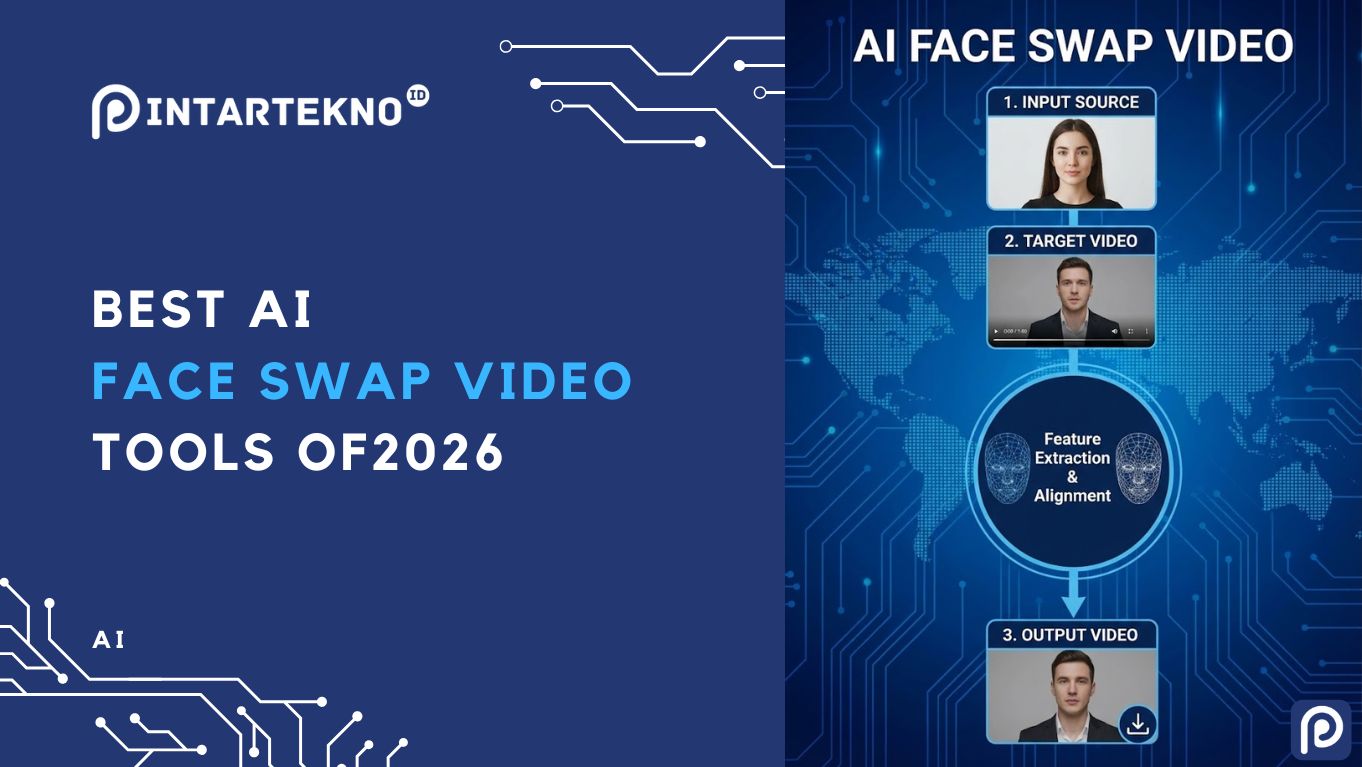
- Best Tools at a Glance
- Magic Hour – AI Face Swap & Video Creation Platform (🥇 Best Overall)
- DeepSwap – Quick & Simple Face Swapping at Scale
- Reface – Fun Face Swap App for Memes and Social Media
- FaceFusion – Open-Source Face Swap for Tech-Savvy Users
- Vidmage – Affordable Face Swap for Longer Videos
- Picsi.ai – High-Fidelity Face Swaps with On-Device Privacy
- GoEnhance.ai – Face Swap for Developers and Multi-Modal AI Projects
- Methodology: How We Tested These Tools
- Face Swap Trends and Landscape in 2026
- Key Takeaways – Which Face Swap Tool Should You Use?
- FAQ
Pros:
- Delivers high blending accuracy and stable results in videos – faces generally look well-integrated, even in motion or multi-face scenes.
- Freemium model: You can try it with a free plan (though limited) to see results before paying.
- Competitive pricing – the paid plan is only ~$10 a month, notably cheaper than many alternatives.
- Supports up to 4 faces in one video frame, which is great for group scenes or swapping multiple people at once.
- Emphasizes privacy: the company claims to use invisible watermarks to mark AI-generated content (for transparency) and has ethical usage guidelines.
Cons:
- The free plan limits are tight: e.g., ~90 seconds of video per day and outputs carry a watermark. Enough to experiment, but not for any substantial project.
- No Windows app (as of 2026) – there’s a Mac desktop app and the web tool. Windows users must use the browser version (which worked fine in our tests).
- Interface is basic. While easy to use, it lacks some polish and advanced options seen in other tools.
- Being newer, it doesn’t have the same community size or third-party tutorials yet, so finding support or tips might be harder.
Pricing:Free Plan – includes a small amount of video processing per day (with watermark). Paid Plan – ~$9.99 per month which gives around 400 credits (sufficient for roughly 4-5 minutes of video swaps at good quality). No long-term contract required, you can pay monthly. There may also be an annual option with a slight discount. Importantly, $10/mo is quite accessible, making Vidmage one of the most budget-friendly choices for full video swapping.
Ideal Use Case: If you’re a content creator who occasionally needs to swap faces in videos (like a funny edit for a YouTube video or a small marketing project), and you want better quality than free meme apps without committing to pro-level costs, Vidmage is a great choice. In our evaluation, a 1-minute 1080p video processed with Vidmage looked convincing – skin tones matched, the face tracked well with only minor artifacts in fast motion. It’s not as feature-rich as Magic Hour, but it gets the core job done cheaply. Think of Vidmage as the “80/20†solution: it covers about 80% of use cases at 20% of the price.
Picsi.ai – High-Fidelity Face Swaps with On-Device Privacy
Picsi.ai stands out for two main reasons: remarkably realistic face swap quality and a strong emphasis on user privacy/ethics. This tool (and its companion mobile app) is powered by the InsightFace library, and it takes a hybrid approach: simple swaps in the cloud, but heavy processing on your device for videos. The result is that your raw videos don’t get uploaded in full, mitigating privacy concerns. Picsi is often cited as a gold standard for responsible AI face swapping in 2026.
Pros:
- Some of the most photorealistic results in both photos and videos. It preserves facial expressions and lighting extremely well, rivaling “deepfake†quality.
- Privacy-first design: for video swaps, the intensive processing runs locally on your phone/computer, so the full video isn’t sent to servers. Only a mathematical face representation is uploaded, and source faces are discarded after processing.
- Clear ethical stance: Terms of Service explicitly ban non-consensual use and public figure swaps, and they allow people to opt-out by blocking their own face from the platform. Great for peace of mind.
- Multi-face support (swap up to 4 faces in one image/video) and even a Photoshop plugin for integrating into pro workflows.
- Mobile apps available (iOS/macOS) for real-time swapping and an array of creative modes.
Cons:
- The free tier is quite limited. You get daily free credits for simple image swaps, but video face swaps require the highest subscription (Ultra plan). The free outputs are also watermarked.
- Expensive for full functionality: to do unlimited or high-res video swaps, you’ll need the top plan (see pricing below).
- While it’s user-friendly, casual users might be overwhelmed by the variety of features (there are many modes, settings, and even Discord bot integration – great for power users, but more than a casual meme-maker might need).
- The strict policies mean you must use it responsibly – which is a “pro†for society, but if someone attempts something against the rules, expect account action or blocks.
Pricing: Picsi operates on a freemium model. You can use it free for basic photo swaps and small GIFs with daily credit allowances. Paid memberships are tiered: Basic and Pro plans for increasing image/GIF capabilities, and the Ultra Plan ($34.99/month) which is required to unlock video swaps. In other words, to fully swap faces in videos using Picsi, you’re looking at about $35 per month – a significant cost, but it comes with the advanced privacy and quality benefits. They offer both direct subscriptions (Stripe/Patreon) and even a Discord bot for those who prefer that interface.
Use Case: Picsi.ai is best for creators who demand top-notch quality and are willing to pay for it, especially if they handle sensitive content. For example, a filmmaker editing a short film who needs a face swap shot but wants to ensure everything is done ethically and privately would lean towards Picsi. In testing, we found Picsi’s video swaps to be extremely convincing – in some samples, it was hard to tell any AI was involved. If budget isn’t a deal-breaker and you appreciate the platform’s ethical safeguards, Picsi.ai is a fantastic face swap tool in 2026.
GoEnhance.ai – Face Swap for Developers and Multi-Modal AI Projects
GoEnhance.ai is a powerful AI video platform that appeals to developers, technical creators, and those looking to integrate face swapping into larger workflows or apps. In addition to face swapping, GoEnhance offers a suite of generative video tools (text-to-video, video upscaling, stylization, etc.), and it’s designed with an API-first approach. We included GoEnhance in this list because it’s one of the top choices if you need programmatic access or a broad range of AI video capabilities that includes face swapping.
Pros:
- All-in-one platform: Face swapping is just one feature; you also get things like video-to-anime conversion, text-driven video generation, and more. This can replace multiple tools if you’re doing complex projects.
- API access: You can get developer API keys to automate face swaps and other functions in your own app or pipeline. Ideal for those building AI into products or running batch jobs.
- Supports high-end models (they integrate models from Runway, Meta, etc.) to give cutting-edge results across different tasks.
- Free tier available for testing (includes some free tokens) so you can experiment before paying.
- Good for both beginners and pros: the web interface is straightforward, but advanced users can tap into the API and more granular controls.
Baca Juga
Cons:
- The sheer breadth of features means it’s not as focused or streamlined solely for face swapping as some specialized tools. If you only care about face swaps and nothing else, a simpler tool might be easier.
- Pricing can get confusing as it’s token-based across various services. Heavy usage, especially via API, could rack up costs (make sure to monitor your token spend).
- The privacy policy is more oriented to enterprise/API users, and it mentions that generated content may be cached for up to a week. This is not unusual, but it’s something to note for sensitive projects.
- Being a relatively advanced platform, time-constrained marketers might find more straightforward tools sufficient unless they specifically need the extra capabilities.
Pricing:Freemium – sign up and you get a small number of free tokens to try out the features. Paid plans – as of 2026, a standard subscription is around $20–$30 per month, which gives a bucket of tokens (e.g., ~1600 tokens/month) that you can spend on different features. Each face swap or video generation will consume tokens based on length/quality. There might be higher plans (e.g., $40/mo for more tokens or priority speed) and an enterprise tier for large-scale use. The key point: it’s affordable to start, but costs scale with usage.
Use Case: GoEnhance is perfect if you’re a developer or a company looking to integrate face swapping (and other AI video tricks) into your own products or workflows. For example, an app developer could use GoEnhance’s API to add a face-swap feature in their social media app without building the AI from scratch. It’s also great for creators who like to experiment with new AI video tools – you have a sandbox of features to play with. During our evaluation, we found the face swap quality solid (comparable to DeepSwap on straightforward videos, and benefiting from being part of a bigger toolkit). The ability to combine features (say, swap a face and then turn the video into an anime style) was very interesting. However, if you’re not going to use those extra features, you might opt for a more dedicated face swap tool.
Methodology: How We Tested These Tools
We approached this face swap tool roundup with a hands-on, real-world testing methodology. Over several weeks in 2026, our team tried each tool using a common set of scenarios:
- Sample Videos: We used a mix of footage – a talking head clip (for evaluating lip sync and expression preservation), an action scene with quick movements, and a group video with multiple faces. This let us see how each tool handled different challenges (motion, multiple people, lighting changes, etc.).
- Face Sources: We used high-quality portrait photos as the source faces, and in some cases, we also tried using another video as the face source (for tools that support it).
- Free vs Paid: Wherever possible, we started on the free plan to gauge what an average user might get without paying. Then we moved to a paid tier for that tool to assess the best possible output quality and features. This was important because some tools drastically improve with paid options (e.g., higher resolution outputs, no watermarks, longer video support).
- Metrics: We evaluated the visual realism of the face swaps (did it look natural or fake?), the temporal consistency (did the face stay stable frame to frame?), and artifacting (any obvious glitches or blur). We also noted the processing time for each tool on a standard internet connection. Additionally, we considered usability factors – how easy was it to get the result, how intuitive is the interface, and whether any additional editing tools are included.
- Ethical Features: Given the increasing importance of consent and safety, we reviewed each tool’s policies or features for preventing misuse (for example, Picsi’s bans on public figure swaps, or watermarking of outputs on some platforms).
By standardizing our tests, we ensured a fair comparison. That said, no automated benchmark tells the whole story – we also incorporate our subjective experience of using the tools in a creator context (time saved, convenience, learning curve). The insights in this article are a blend of these test results and practical considerations for creators, marketers, and developers.
Face Swap Trends and Landscape in 2026
The face swapping landscape in 2026 is dynamic and evolving quickly. Here are some key trends shaping this space as of mid-2026:
- 1. Integration into Creative Suites: There’s a noticeable shift from standalone face swap apps to face swap features being part of larger platforms. Creators want fewer tools in their workflow, not more. For instance, Magic Hour and GoEnhance incorporate face swap alongside editing, avatar generation, and more – signaling that face swap is now a standard feature, much like color correction or trimming.
- 2. Rise of AI Avatars and Virtual Personas: Face-swapping tech is increasingly used beyond prank videos – it underpins the creation of AI avatars for virtual presenters or characters. Instead of just pasting one person’s face on another’s body for a joke, companies are using it to create virtual spokespeople (with consent, using an actor’s face mapped onto an avatar). Tools that support voice, motion, and identity together (e.g., Magic Hour’s broader workflow or HeyGen’s avatar focus) are gaining traction. The line between face swap and fully generated humans is blurring.
- 3. Ethics and Consent are Front and Center: The deepfake concerns have led to more responsible practices. Many top tools now have explicit rules and safeguards – for example, requiring you to affirm you have rights to images you upload, banning certain content, or embedding watermarks for detection. Users and platforms are much more aware in 2026 that face swaps can be misused, so there’s an industry push toward consent-aware design. If you’re a creator, you should also be mindful: always get permission if using someone else’s likeness, and stick to ethical use.
- 4. Quality Expectations are Higher: Audiences in 2026 are no longer impressed just because you swapped a face – they expect it to look good. The “uncanny valley†is closing. Modern tools use advanced AI (like diffusion models with facial landmark tracking) to achieve near-seamless realism, and anything less stands out. This means new tools are focusing on consistency (no flicker, no weird eye glitches) over just novelty. As a creator, using a higher-quality tool can actually impact your content’s credibility – a janky face swap might do more harm than good if it distracts viewers.
- 5. Real-Time and Live Swaps: We’re starting to see face swapping enter live video. Early examples include live streaming software or AR effects that can swap faces on the fly. This is still niche and often lower quality than pre-rendered swaps, but it’s a space to watch. It could open up new interactive content opportunities (imagine live appearances as different characters). While our list above focuses on tools for recorded videos, keep an eye out for this emerging trend.
Overall, the face swap tool landscape is expanding but also consolidating: many options exist, yet the best ones are those adapting to these trends – integrating into larger ecosystems, focusing on ethical use, and delivering reliability for real creative work.
Key Takeaways – Which Face Swap Tool Should You Use?
Every tool in this list has its strengths. Here’s a quick takeaway to help you match your specific need with the right face swap solution:
- For professional marketing videos and consistent quality: Go with Magic Hour. It’s built for creators and teams who need reliable, high-quality results across many projects. Great for ads, branded content, and when you want face swap as part of a bigger workflow.
- For quick, one-off swaps or meme content:DeepSwap is your friend when speed matters more than perfection. Also consider Reface if it’s a trending GIF or short clip for social media – Reface is unbeatable for rapid meme generation on your phone.
- For budget-conscious users who still want good video swaps:Vidmage offers a nice middle ground. It’s affordable and the quality is solid for the price. Perfect for hobbyist YouTubers or small businesses testing the waters with AI video.
- For the utmost privacy and control:FaceFusion (open-source) is the top pick. If you don’t mind a technical setup, nothing leaves your computer and it’s completely free. Similarly, Picsi.ai is excellent for privacy with pro quality, if you’re willing to pay – it literally processes video on-device for you.
- For developers and product integration:GoEnhance.ai is best if you plan to integrate face swapping into your app or need an API. It’s also great if you want to experiment with other AI video effects alongside face swapping.
- For creative experimentation with AI avatars and more: Magic Hour and GoEnhance both shine, but Magic Hour is a bit more user-friendly if you want to try avatars, image-to-video, etc., in a guided way. GoEnhance suits those who like to tinker with multiple AI tools in one place.
Remember, the “best†tool ultimately depends on your use case. A TikTok creator making comedy videos has very different needs from a filmmaker doing a face replacement in post-production. Use the above as a guide to zero in on the one that aligns with your project, and take advantage of free trials where available to test them out.